From 1 December 2026, new Copilot Business licences bought through a Microsoft partner bill by usage by default. What Microsoft says and what to set first.
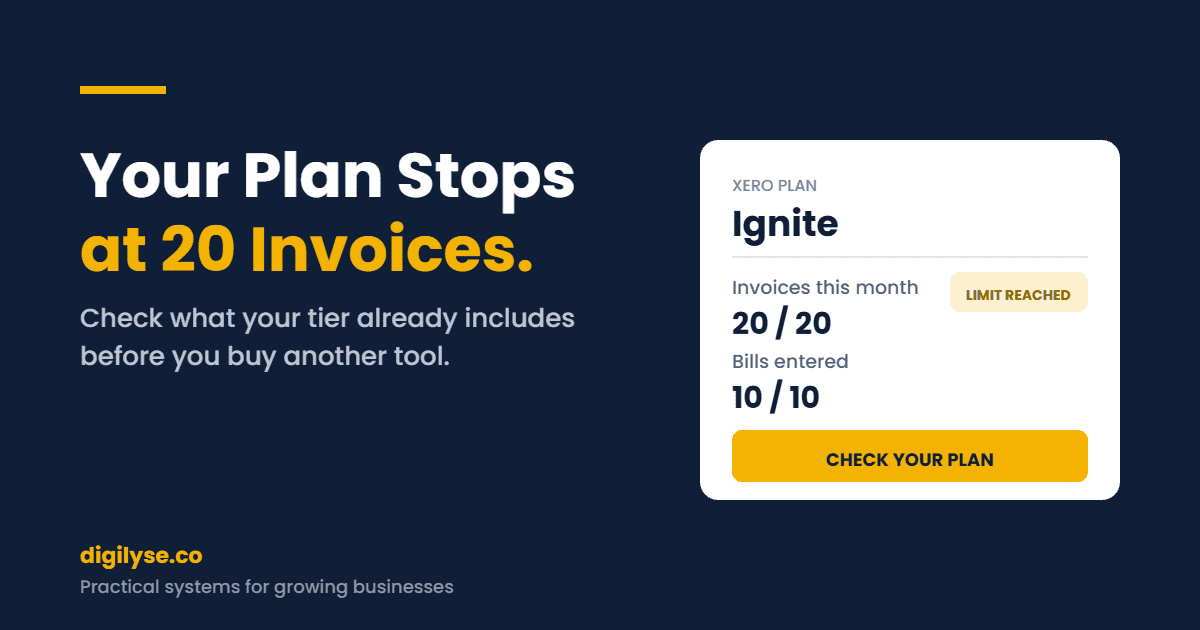
Software gets bought without anyone reading the plan the business is already on. That is how a five person firm ends up paying for a separate expenses app when the tier above the one they sit on already includes it. Xero is a useful example because the plan limits are published and take two minutes … Read more
Microsoft is pulling a small shortcut out of Teams and Outlook this autumn. Most businesses will not notice it go. What makes it worth five minutes is the question underneath: who in your business actually has Microsoft 365 admin access, and what happens on the day that person is not there? What is changing in … Read more
If your business answers customers on WhatsApp through your CRM, booking system or a shared team inbox, WhatsApp Business pricing changes on 1 October. Meta is bringing back a charge on the replies you send, and the way it is priced rewards businesses that need fewer messages to reach an answer. That makes this a … Read more
The big AI assistants stopped being things you paste text into and became things that reach into your actual tools. Since ChatGPT Work launched on 9 July, ChatGPT can connect to Gmail, Google Drive, Slack, your calendar and a long list of other apps, and carry out a job across several of them in one … Read more
On 26 June the Department for Business and Trade published a progress update on its SME Digital Adoption Taskforce, with a stated aim of making UK small firms the most digitally capable and AI confident in the G7 by 2035. That is a long way off and easy to ignore. But buried in it are … Read more
Last month the government confirmed the UK e-invoicing mandate will run on the Peppol network, with the rule taking effect in April 2029. Two thoughts usually follow. First, 2029 is miles away. Second, this is the accountant’s problem. Both are wrong in a way that quietly costs you if you leave it. The firms that … Read more